

Services
Osteopathy (50 minutes)
Price: 80 €
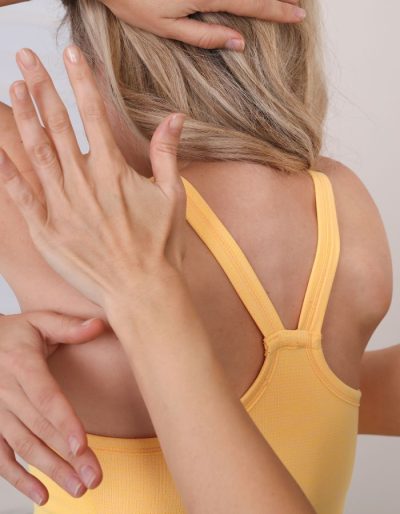
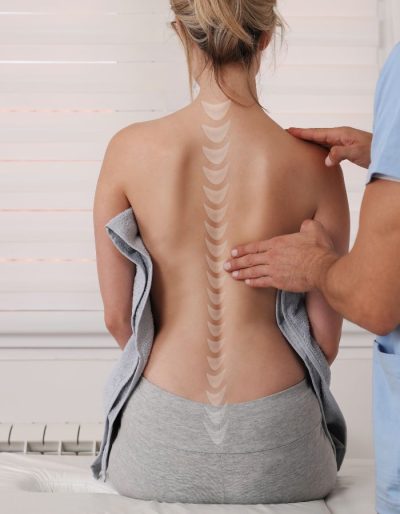
Osteopathy is a hands-on, whole-person approach to musculoskeletal health, considering how movement, physical function, previous injuries, lifestyle and general wellbeing may influence a person’s symptoms.
Rather than focusing exclusively on the painful area, an osteopathic assessment considers the individual as a whole. This may include joint mobility, muscular function, movement patterns and other factors relevant to pain and everyday activities.
Care is adapted to each person’s needs and may involve manual techniques, movement advice and practical strategies to support comfort and function.
When might osteopathic care be appropriate?
People commonly seek osteopathic care for musculoskeletal concerns such as:
– Back and neck pain
– Joint discomfort and restricted movement
– Muscle tension and stiffness
– Certain types of headache associated with musculoskeletal factors
– Persistent or recurring musculoskeletal pain
– Movement difficulties following injury
– Physical discomfort influenced by stress, sleep or everyday activities
Not every symptom has a musculoskeletal cause. Where appropriate, medical assessment or referral to another healthcare professional may be recommended.
Physiotherapy
Physiotherapy aims to improve movement, physical function and independence in everyday life.
Whether you are recovering from an injury, managing a musculoskeletal condition, experiencing persistent pain or returning to activity after surgery, physiotherapy offers an individualised approach based on clinical assessment and your personal goals.
Depending on your needs, physiotherapy may include:
– Therapeutic exercise and progressive strengthening
– Mobility and flexibility exercises
– Manual therapy
– Movement and functional rehabilitation
– Education about pain and recovery
– Advice on activity modification and self-management
The aim is not only to address current symptoms but also to help you develop the confidence and physical capacity to manage everyday activities and return to the things you enjoy.
Manual Therapy
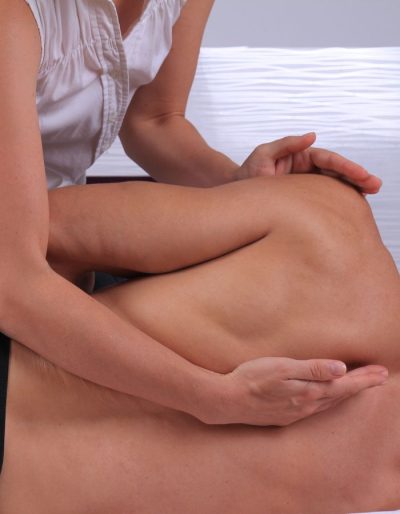
Manual therapy involves hands-on techniques applied to muscles, joints and surrounding soft tissues.
Depending on the individual and their clinical presentation, these techniques may help reduce pain temporarily, improve movement comfort and support participation in rehabilitation.
Manual therapy may include joint mobilisation, soft-tissue techniques and other approaches selected according to your needs and preferences.
It is often combined with exercise, education and practical self-management strategies to support longer-term functional improvement.
Trigger Point Therapy
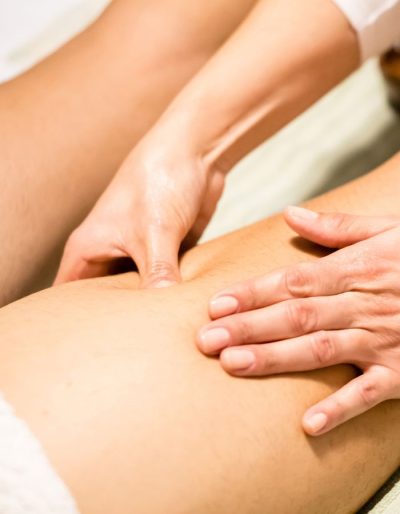
Some people experience localised muscular tenderness, sensitivity or pain that extends beyond the area being touched.
Targeted soft-tissue techniques may be used to address muscular discomfort and improve tolerance to movement.
These techniques are selected according to the individual assessment and may form part of a broader programme involving exercise, activity modification and self-management.
Visceral Techniques
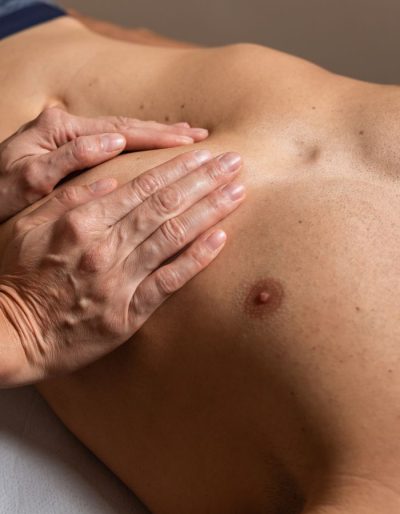
Some osteopathic approaches include gentle manual contact with the abdominal region and surrounding soft tissues.
These techniques may be incorporated into an individualised session where appropriate, taking into consideration the person’s symptoms, medical history, comfort and preferences.
The clinical evidence for visceral manipulation remains limited, particularly regarding claims of improving internal organ function or treating digestive disorders.
These techniques do not replace medical investigation or treatment of abdominal, digestive or pelvic conditions.
Gentle Osteopathic Techniques
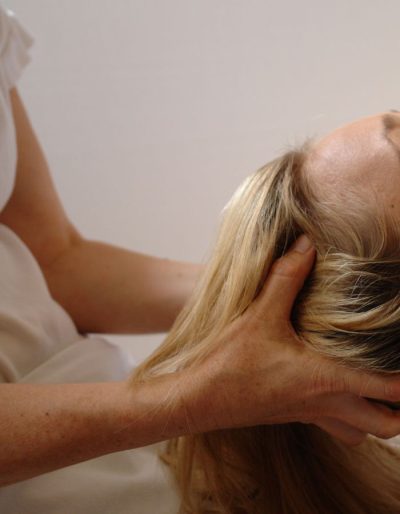
Osteopathic care can include gentle, low-force manual techniques, selected according to individual needs, preferences and tolerance.
These techniques may be appropriate for people who prefer a less intensive hands-on approach or find stronger manual techniques uncomfortable.
Some patients experience these sessions as calming or relaxing. However, relaxation should not be confused with evidence that a particular technique corrects craniosacral dysfunction or directly regulates the nervous system.
The choice of technique is discussed together and adapted to the clinical presentation.
If you’re unsure which service is right for you, we’ll decide together during your first visit.
What to expect in a session
Your first appointment begins with a discussion of your symptoms, medical history, everyday activities and personal goals.
This is followed by a clinical assessment relevant to your concerns, which may include observing movement, assessing joint mobility, muscular function and other appropriate clinical tests.
We will discuss the findings and available care options together.
Depending on your needs, your session may involve hands-on techniques, therapeutic exercises, movement advice and strategies for managing symptoms in everyday life.
If your symptoms suggest that further medical investigation is necessary, we will recommend appropriate medical assessment before proceeding.
Your comfort, preferences and informed consent are central to every appointment.
Information
The treatment will last about 50-55min. in a beautiful and pleasant setting with a stunning view of the Messinian bay.
For Mara Von Heyden the price is 80€/ treatment.
For Nikolas Athanasopoulos the price is 60€ for a session in the clinic and 80€ for home visits.
Presence of a medical condition will require a referral from your doctor (if applicable, please bring x-ray’s and other medical records).
Dress comfortably.
Gift vouchers are available.
Visits by appointment only.